
The desire to control the others is said to have been in human nature since ancient times. The communists, on their way to create „THE NEW MAN”, were no exception to this nature. An eloquent tool for this purpose was the torturer Franz Țandără.
Lexiconul Negru (The Black Lexicon), written by Doina Jelea, witnesses the existence of 1700 people like him, within the state apparatus; most probably, they are the ones who have educated, in turn, the next generations of torturers.
The methods used to build the Romanian socialism may have been questionable. Maybe the communists were blinded by ideology or burdened with fraud and assassination, we will never know. One thing is certain: in the 80s, Romania was a desperate country. Ceaușescu had succeeded, on the bent backs of a hungry population, to achieve a remarkable feat in human history: full payment of the state’s foreign debt.
Ceaușescu probably imagined that he would get away with it and become indispensable to the new world order. But as expected, the economical pressure on the population had a devastating effect on the communist propaganda which attempted to take the place of religion. In 1989, the majority of the Romanians knew for sure that the regime elites, headed by the Supreme Leader, had intended to forge an illusion.
It is in this historical context that MOGOȘOAIA event takes place, in Galați, on the Danube River – on 10th September 1989, 214 victims – in an unfortunate moment for Ceaușescu and for a small part of the regime beneficiaries. Another victim of this event was the trust people of this region had in the will and the potential of the Romanian state to protect its citizens.
Documented on 22 December 1989, at C.C. Headquarters, General Nicolae Militaru declares: „The National Salvation Front, N.S.F., has been operating for six months, sir!”. A few moments later, the future president of Romania, Ion Iliescu, serenely announces the spontaneous formation of N.S.F.
The crowd chants “Ole, ole, ole, Ceaușescu nu mai e!” („Ole, ole, ole, Ceaușescu is quite gone!”), a slogan invoked at the C.C. Balcony and inspired by the song of the 1986 world football championship. (22 December 1989)
On 23 December 1989, the year of regime change, General Ștefan Gușă refuses Soviet help.
Cehoslovak President Gustáv Husák’s resignation on 10 December 1989 amounted to the fall of the communist regime in Czechoslovakia, leaving Ceaușescu’s Romania as the only remaining hard-line communist regime in the Warsaw Pact.
Returning from Iran, Ceaușescu ordered a mass rally in his support outside Communist Party headquarters in Bucharest on 21 December. However, to his shock, the crowd booed and jeered him as he spoke. Years of repressed dissatisfaction boiled to the surface throughout the Romanian populace and even among elements in Ceaușescu’s own government, and the demonstrations spread throughout the country.
On Christmas Day, Romanian television showed the Ceaușescus facing a hasty trial, and then being executed by firing squad. An interim National Salvation Front Council led by Ion Iliescu took over and announced elections for April 1990, the first free elections held in Romania since 1937.
The benevolent nature of Romania’s elites after 1989 was belied by the way they understood to brutally suppress the students’ protest in University Square, by unleashing Mineriada in 13-15 June 1990. While the protesters were beaten up (and dysphemistically called hooligans), they were ironically accused of an attempted coup d’etat.
Grindu – the place from where Mogoșoaia event ripped the most souls
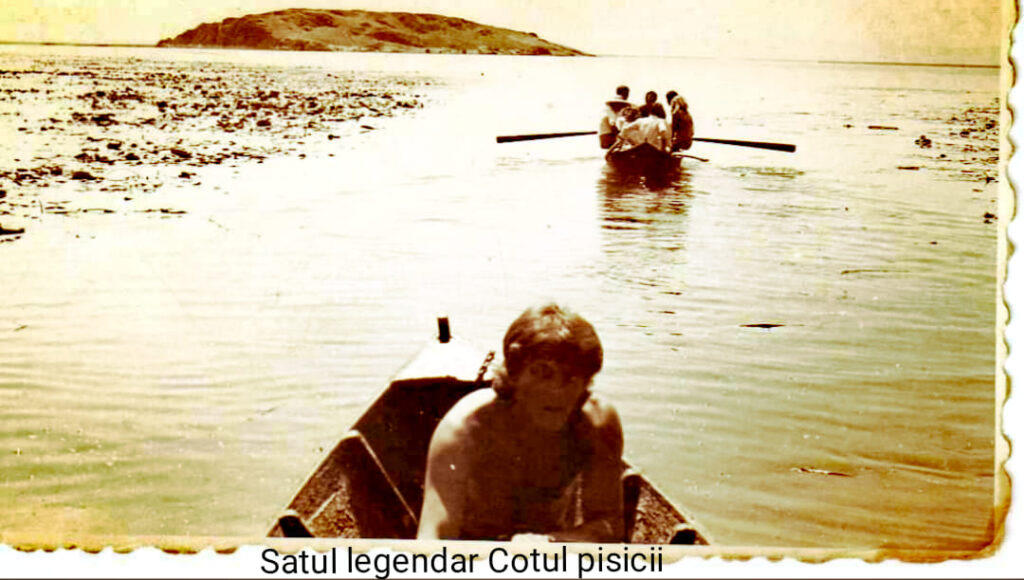
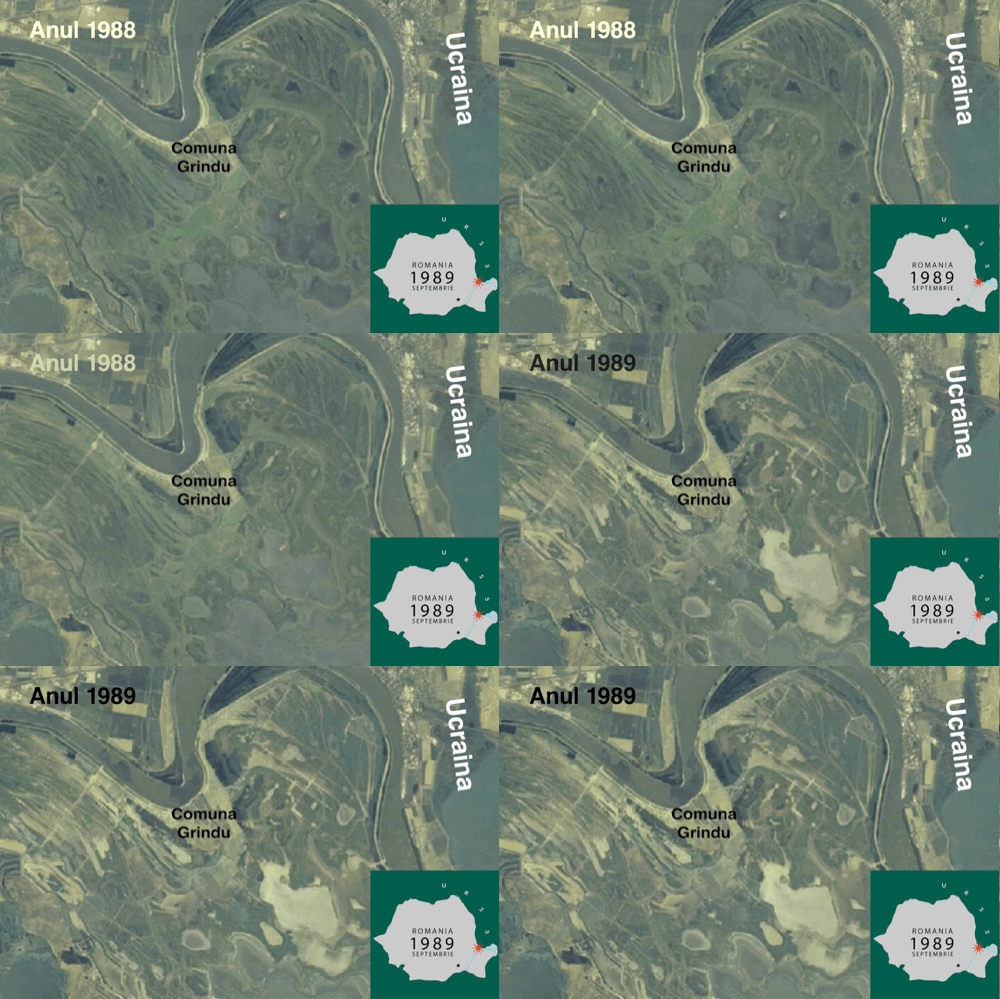
The drying up of the Danube Delta ’88-’89 – Google Timelapse
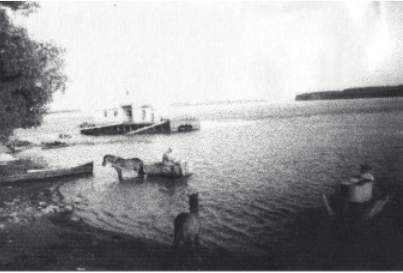
The pontoon where passengers used to disembarked from the ship Mogoșoaia
Grindu Commune is located near the border with the former U.S.S.R (present-day Ukraine and the Republic of Moldova), on Tulcea banks, at Cotul Pisicii (The Cat’s Bend). The all-time strategical importance of this area is also indicated by the presence in the immediate proximity of an important Roman castrum (Dinogeţia)
The highest location of the commune is called “Popină”, a latin term meaning “the place where the poor eat”. Therefore, we are talking about a settlement with a history of thousands of years, documented by the name of the stone and preserved as oral history.
From immemorial times, Grindu Commune has been a predominantly fishing village settled along the Danube bend, surrounded, until 1989, by a delta of overwhelming beauty, the locals tell us. As fate would have it, in the summer of 1989, when the village counted 440 families (about 1550 souls), the delta was artificially drained, as the satellite images of the area show. Until that very moment, these families were numerous thanks to the fish they abundantly caught in the delta.
The village was wild and isolated. On rainy days, when it flooded, people would take their children to school by boat. There was no question of finding food, as there was the case for those who lived in cities during the communist regime. The people of Grindu (grindenii) or the cat’s people (pisicanii), as they were called in the olden days, tell us that they used to reach out in the garden to catch fish with their bare hands, without any fishing net.
During winter, when the Danube froze, people would cross to the ship on ice floes. If anyone happened to fall in, they were helped with a pole and pulled back onto the steaming ice. Conditions were difficult, as the village was not connected to the power system until late, in 1989.
These people had their children sent to Galați to work. And so it came to pass that on Sunday, 10th September 1989, a week before the school year began, they were drowned on the bottom of the Danube; together with them, the people attending a wedding and a baptism – on the day of the autumn harvest, on a passenger ship loaded more than ever over the year.
It is impossible to imagine the terror that collectively overtook them, during those days, both the victims and the survivors of this event. 1 of 10 people of Grindu died instantly, some of whom were never to be found. The effect was comparable to that of a nuclear weapon, and the consequences can still be felt today, three decades later, in the stories of those left behind.
The documentary investigation of MOGOȘOAIA case.
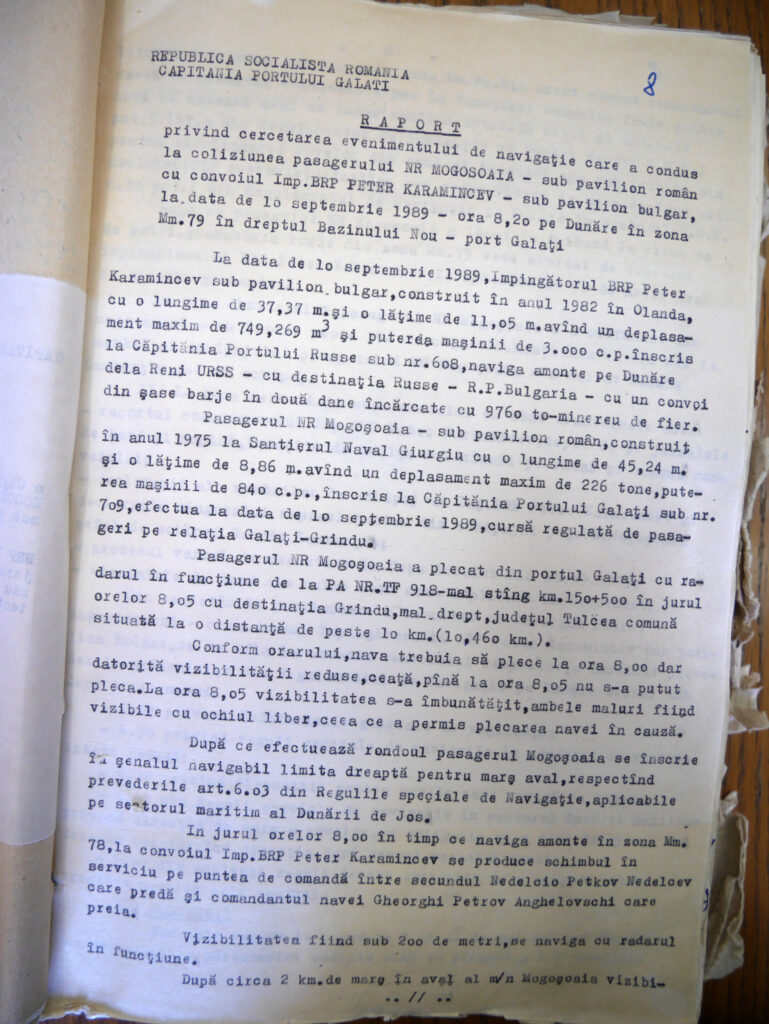
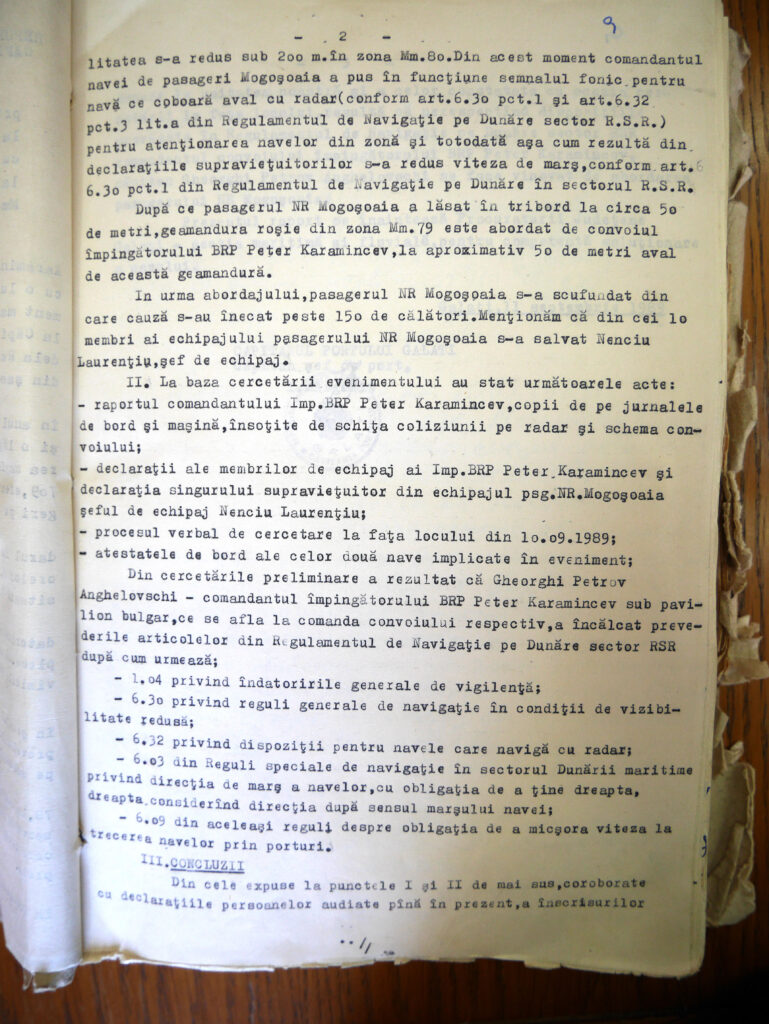
THE SOCIALIST REPUBLIC OF ROMANIA, HARBOUR MASTER’S OFFICE OF GALAȚI
REPORT on the investigation event leading to the collision between the passenger ship NR MOGOȘOAIA – under Romanian flag and PETER KARAMINCEV convoy pusher – under Bulgarian flag, on 10th of September1989 – at 8,20 a.m. on the Danube, in the area Mm. 79, alongside New Basin (Bazinul Nou) – Galați harbour.
On 10th of September 1989, BRP Peter Karamincev Pusher, under Bulgarian flag, built in Holland in 1982, of 37,37 m length and 11,5 m width, with a maximum displacement of 749,269 m3 and a machine power of 3000 c.p., registered at the Harbour Master’s Office of Russe under number 608, was sailing upstream the Danube, from Reni URSS – to Russe – R.P. Bulgaria – with a convoy of four barges in two berths loaded with 9760 tones of iron ore.
The passenger ship NR MOGOȘOAIA – under Romanian flag, build at Giurgiu Shipyard in 1975, of 45,26 m length and 8,86 m width, with a maximum displacement of 226 tones and a machine power of 840 c.p., registered at the Harbour Master’s Office of Galați under number 709, was operating, on 10th of September 1989, a regular passenger crossing on the route Galați – Grindu.
The passenger ship NR MOGOȘOAIA left the port of Galați, with its radar running, from PA NR.TF 918 – left bank km 150+500, at around 8,05 to Grindu, right bank, the county of Tulcea, a commune more than 10 km away (10,460 km).
According to the timetable, the ship was supposed to leave at 8,00 a.m., but due to poor visibility, fog, it could not leave until 8,05 a.m. At 8,05 a.m., visibility improved, both banks being visible with naked eye, which made it possible for the ship in question to depart.
Once the rounding had been completed, the passenger ship Mogoșoaia entered the navigable right-hand boundary channel for downstream passage, in accordance with Article 6.03 of the Special Navigation Rules, applicable to the maritime sector of Lower Danube.
Around 8,00 a.m., while sailing upstream in Mm. 78 area, there is a change of duty, on the bridge of the ETER KARAMINCEV convoy pusher, between the second officer, Nedelcio Petkov Nedelcev who was relieved, and the commander Gheorghi Petrov Anghelovschi, who took command of the ship.
With visibility below 200 m, the radar was operating.
After about 2 km of sailing downstream of m/n Mogoșoaia, visibility dropped below 200 m in Mm. 80 area. At that moment, the commander of the passenger ship Mogoșoaia put into operation the sound signal for the ship going downstream with radar running (in accordance with Article 6.03 (1) and Article 6.32 (3)(a) of the Danube Navigation Rules) in order to warn vessels in the area and also, according to the statements of the survivors, the speed of the ship has been reduced, in accordance with Article 6.03 (1) of the Danube Navigation Rules in R.S.R sector.
After the passenger ship NR MOGOȘOAIA left the red buoy in Mm. 79 area about 50 m off the starboard side, it was collided by the convoy of BRP PETER KARAMINCEV pusher, at about 50 m downstream from this buoy.
Following the collision, the passenger ship NR MOGOȘOAIA sank and more than 150 passengers drowned. We mention that, out of the 10 members of the crew of the passenger ship NR MOGOȘOAIA, the boatswain Nenciu Laurențiu has survived.
II. The investigation of the event was based on the following documents:
– the report of the commander of BRP PETER KARAMINCEV pusher, copies of the logbook and of the log vehicle, together with the collision sketch on the radar and the diagram of the convoy;– the statements of the members of BRP Peter Karamincev pusher’s crew and the statement of the only survivor of the passenger ship NR. MOGOȘOAIA’ crew, the boatswain Nenciu Laurențiu;– on-site investigation report of 10.09.1989;
– ship’s certificates of the two ships involved;
Preliminary research has shown that Gheorghi Petrov Anghelovschi – the commander of BRP Peter Karamincev pusher under Bulgarian flag, who was in command of the convoy in question, has violated the provisions of the Articles of the Danube Navigation Rules, RSR sector, as follows:
– 1.04 regarding the general duties of vigilance;
– 6.30 regarding the general rules of navigation in conditions of reduced visibility;
– 6.32 regarding the provisions for ships navigating with radar;
– 6.03 of Special Navigation Rules in maritime Danube sector regarding the direction of movement of the vessels, with an obligation to keep to the right, whereby the right hand side is considered according to the direction of the movement of the vessel;
– 6.09 of the Rules mentioned above regarding the obligation to reduce the vessel’s speed while passing through ports.
III. CONCLUSIONS
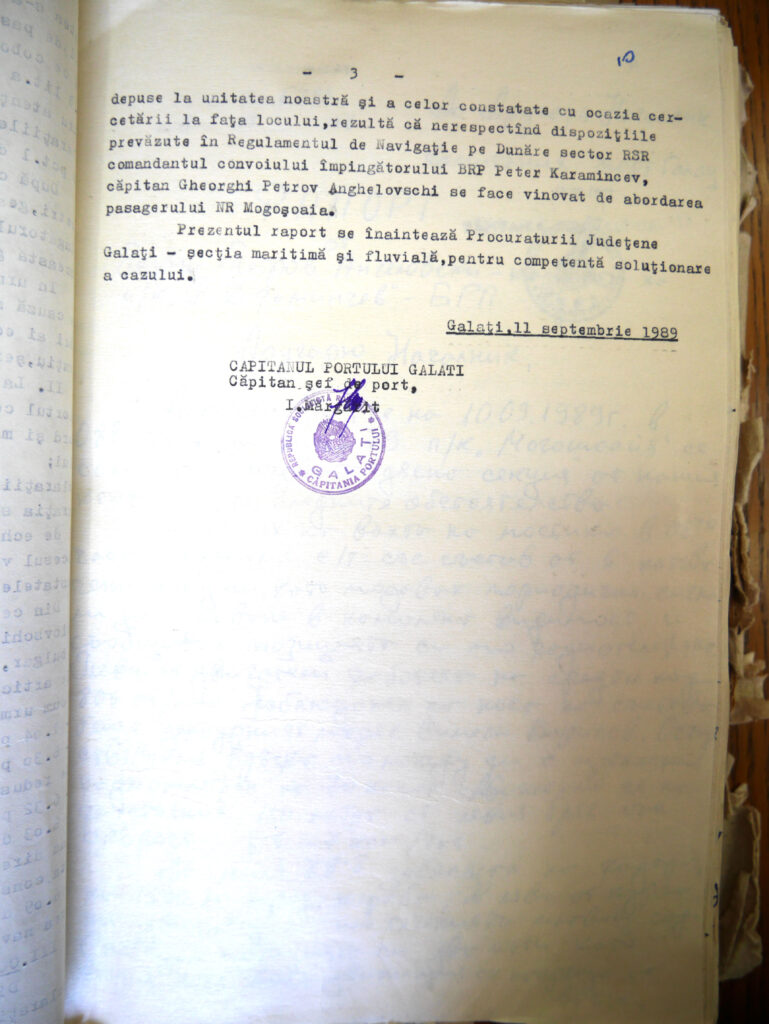
On the basis of points I and II above, in conjunction with the statements of the persons interviewed so far, with the documents submitted to our unit and with the findings of the on-the-spot investigation, we conclude that, by failing to comply with the provisions laid down in the Danube Navigation Rules, RSR sector, the commander of the convoy of BRP Peter Karamincev pusher, captain Gheorghi Petrov Anghelovschi is guilty of the collision with the passenger ship NR Mogoșoaia.
The present report is submitted to the public prosecutor’s office of the county of Galați – maritime and river department, for competent resolution of the case.
Galați, 11 September 1989
CAPTAIN OF THE PORT OF GALAȚI
Harbour master,
I. Mărgărit
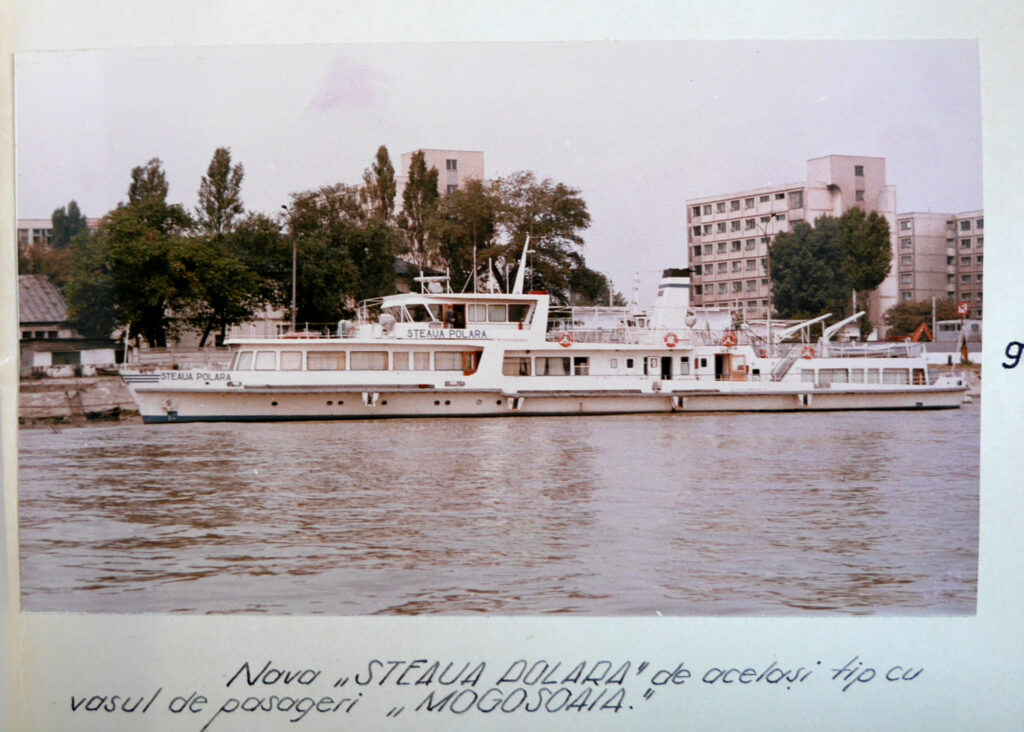
The “STEAUA POLARĂ” (“POLAR STAR”), a ship similar to the passenger ship “MOGOȘOAIA”
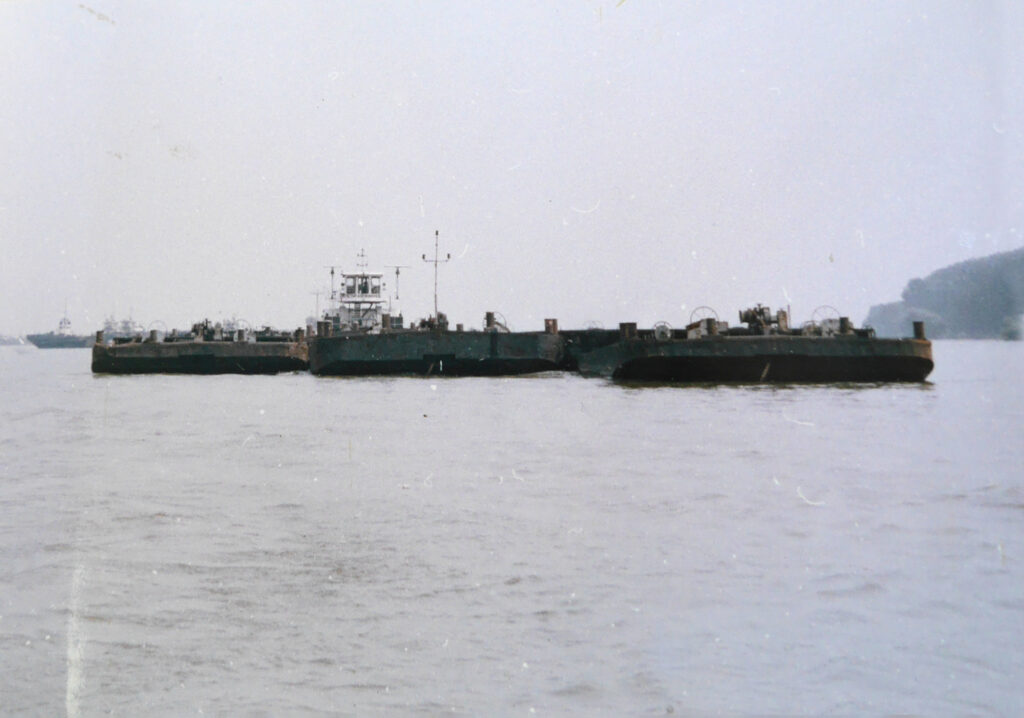
Front view of the “PETER KARAMINCEV” barge pusher, after the impact.
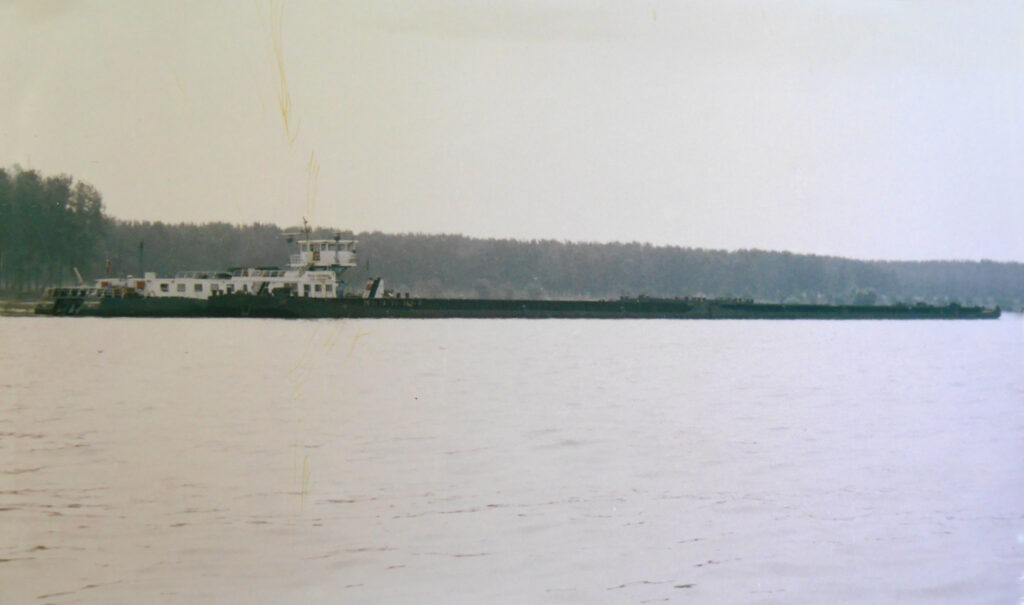
Side view of the “PETER KARAMINCEV” barge pusher, after the event.
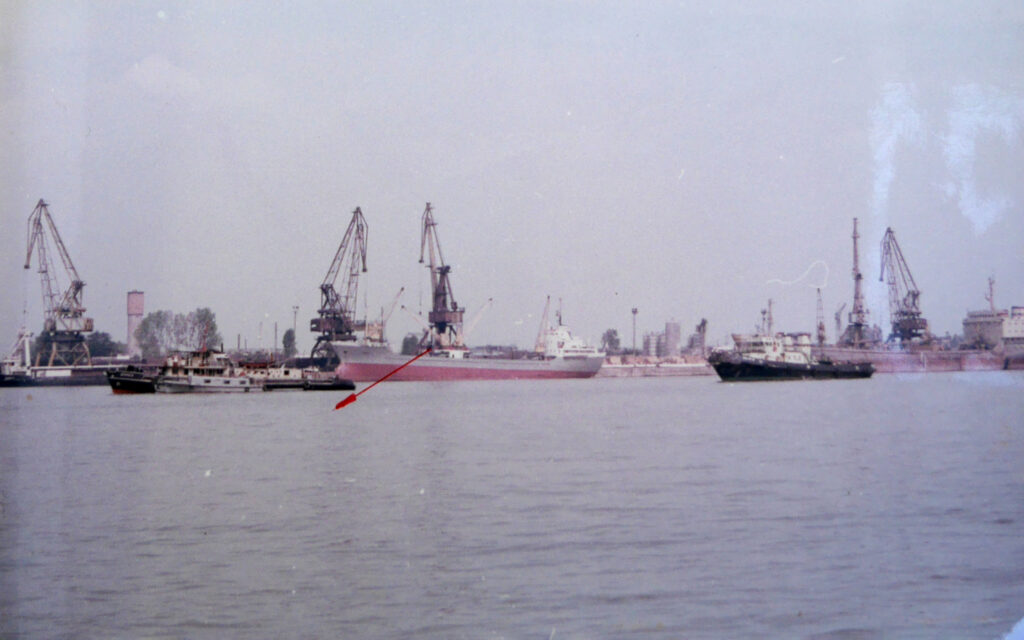
The location of the wreck of the ship “MOGOȘOAIA” relative to the port of Galați.
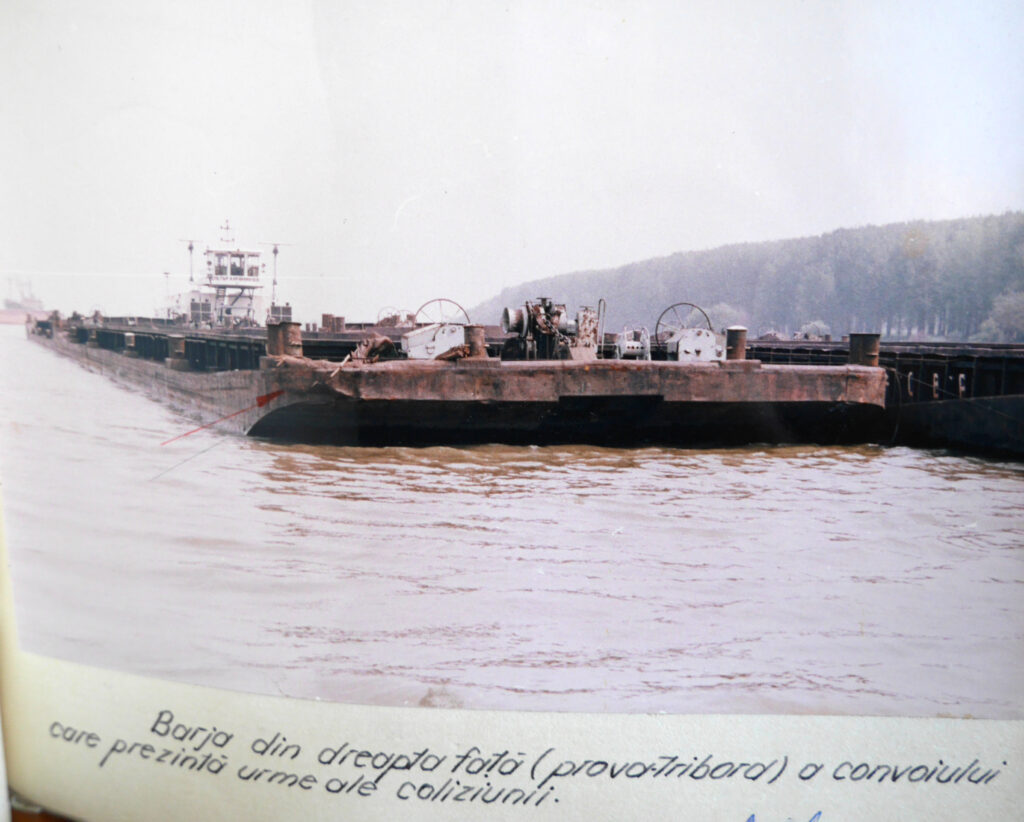
Front right-hand barge (starboard bow) of the convoy showing traces of the collision.
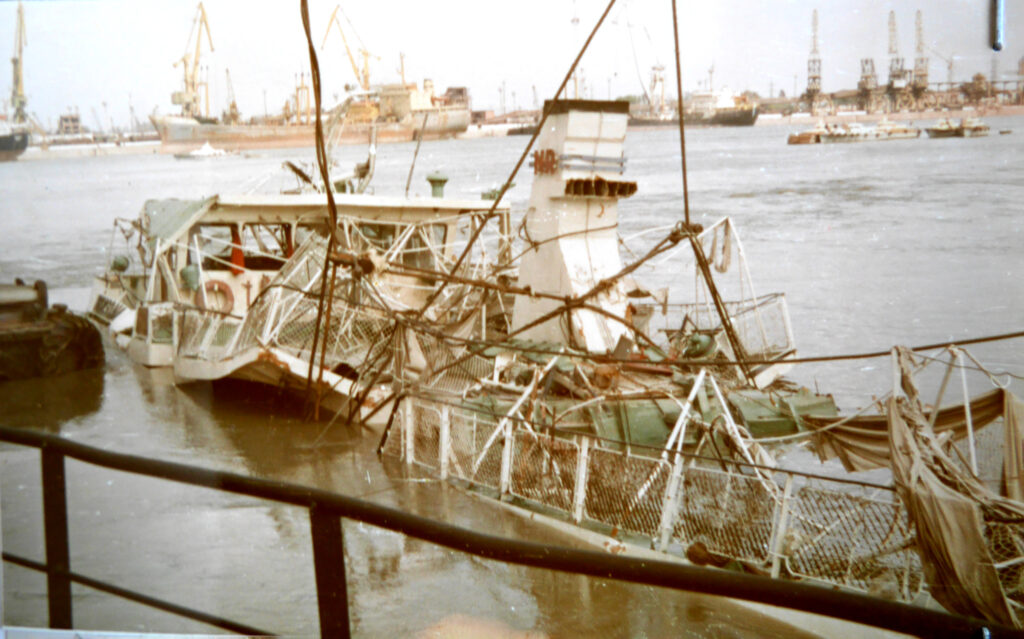
The ship “MOGOȘOAIA”, immediately after it was brought to the surface.
Shortly after the navigation event occurred, judicial proceedings for the prosecution of the commander of the Bulgarian ship „Petar Karamincev”, Gheorghi Petrov Anglelovschi, have been initiated. The criminal trial was judged at Galaţi court, which pronounced penal sentence no. 2 of 4 October 1991 (3/MF/1990 file), sentencing the commander of the Bulgarian ship to 10 years imprisonment for the offense of culpable destruction resulting in causing a disaster. But the sentence was remitted by Decree No. 23/1990.
By the same sentence, the defendant and the owner of the Bulgarian ship, B.R.P. were ordered jointly and severally to pay civil damages to NAVROM Galaţi society, representing the value of the ship MOGOŞOAIA, which had been completely destroyed, but also to pay damages to the natural persons, the heirs of the passengers deceased in this catastrophe. The criminal sentence became final with the dismissal of the Bulgarian party’s appeal by the Supreme Court of Justice by decision no. 840/1993 (file no. 2710/1993).
In 2003, NAVROM Galaţi proceeded with the recognition and enforcement of this judgement on the Bulgarian territory, at Sofia Court, where file no. 14/E/2004 was constituted.
From that moment on, it begins the long road of the application to the natural and seemingly simple procedure of recognition of the Romanian judgement by a foreign court. Although Galaţi Court, having been requested by the Romanian and Bulgarian Ministries of Justice, has sent all the documents relating to the legal summons and transmission of documents to the Bulgarian parties involved in the trial, so that the trial procedure was not at all vitiated or violated, which is the only condition required by law for the judgment to be recognised, the Bulgarian court does not seem to have clarified this issue so far.
Both the Bulgarian parties and Galați Court, with dubious complicity have requested various documents and translations outside the usual executor procedure. Thus, they used any means to obtain new and new deadlines in the settlement of the claim (approx. 12 deadlines in 6 years). They asked for evidence of the company’s conversion, in 1990, into a trading company, evidence of the legal representative status of the Managing Director, evidence of the limits of his or her competence, copies of the Romanian commercial law or the statute of limitations. Moreover, in order to try to prolong the resolution of the claim, they brought an action before Galaţi Court for a declaration that the criminal sentence no. 2/1991 was time-barred, which they called a challenge to enforcement, even though it was clear that this was not the sentence that was being enforced in Sofia.
The trial initiated in 2003 lasted unnaturally long, with the High Court of Cassation and Justice delivering decision no. 7254 of 13 December 2006 dismissing the action as inadmissible and considering that in fact NAVROM, although holding two judgments, proceeded to execute the second one, completely distinct from the criminal sentence.
We are bound to note that in both the Romanian and the Bulgarian legal regimes, enough meanders and obstacles have been invented to prevent the fair and good-faith litigant, which lead to the pending of cases for years in the courts. [2]
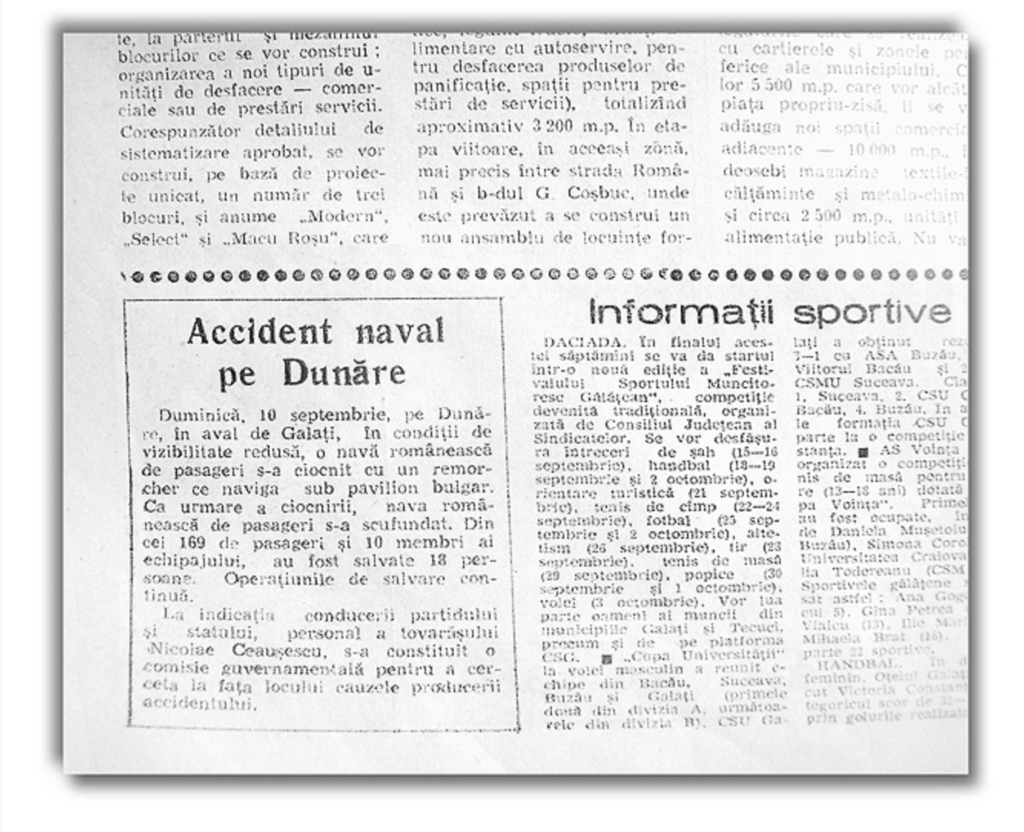
“Viaţa nouă” [“The New Life”], a newspaper in Galaţi, announces the disaster, in a brief note.
Jean Panait – crane operator, interviewed 5 years after the event. Ghemul Destinelor [The twist of destinies] de Maximilian Popescu,1994.
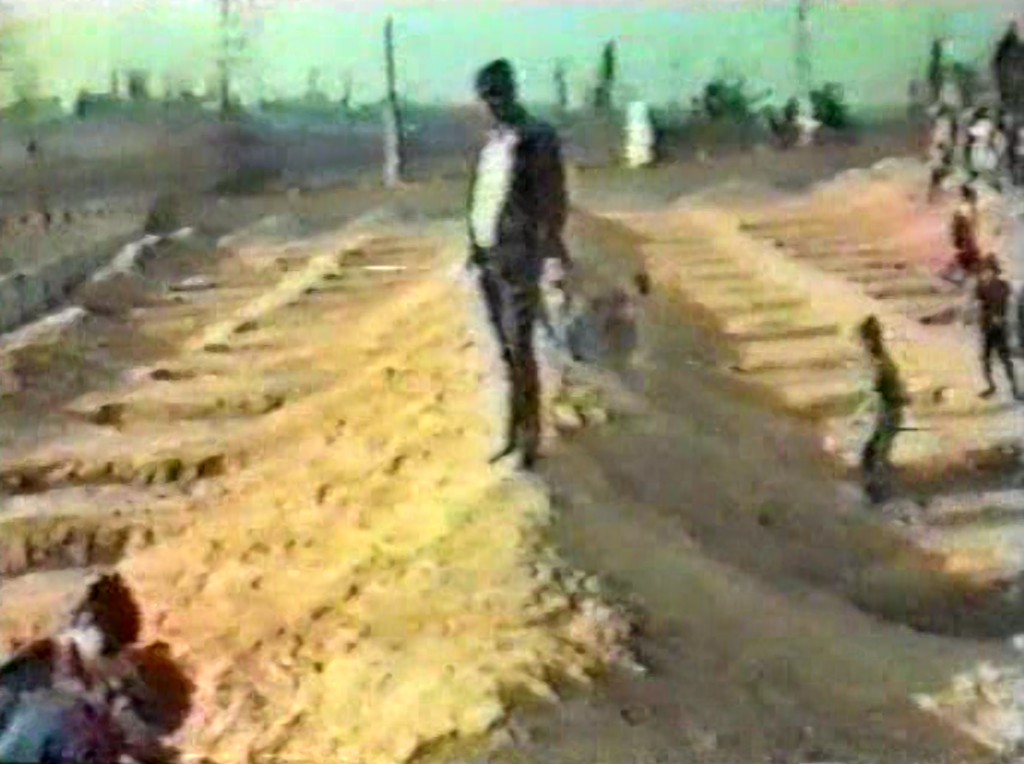
Commemoration of 27 years since the event. Filmed by Silviu Vasilache, 2016.
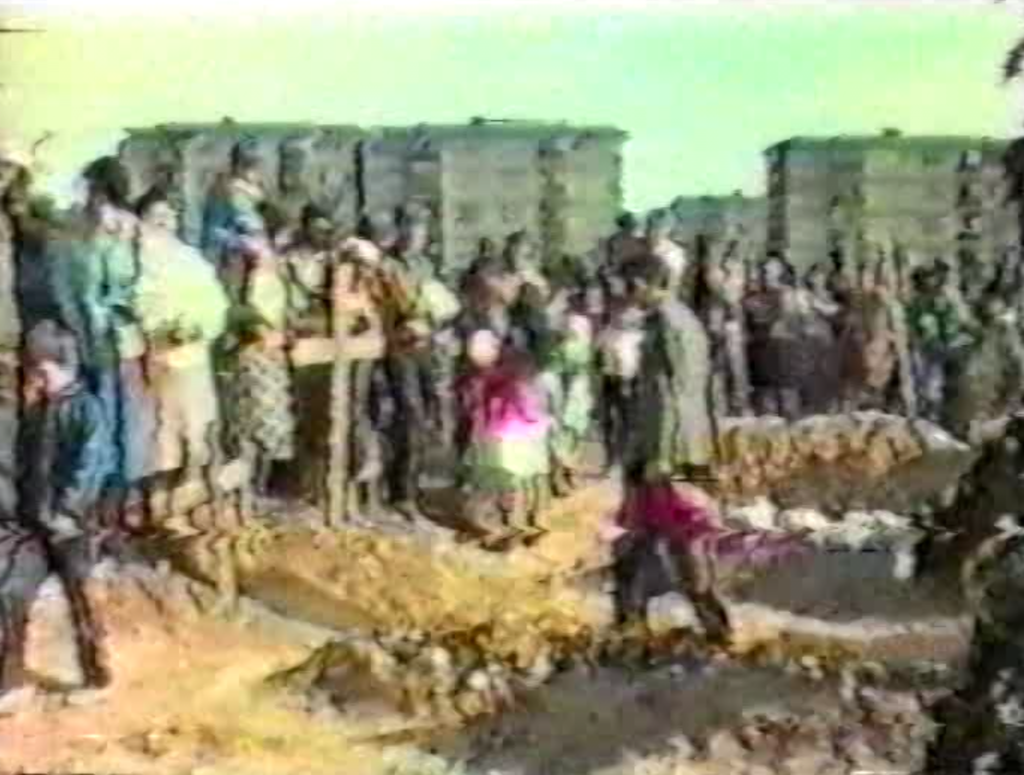
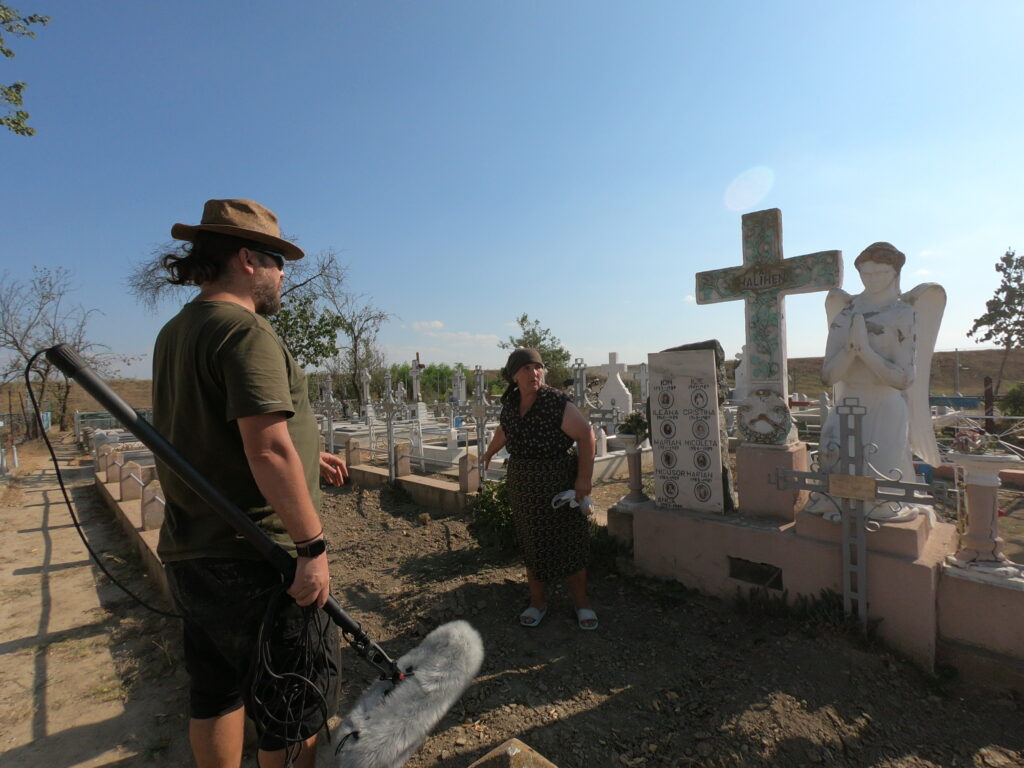
Together with Mrs Maria Alecu, in the graveyard of Grindu, where her pregnant daughter and her son-in-law are buried.
Daniela and Ionel
Summary
214 Victims
• Alecu Daniela • Alecu Ion • Anghel Gigel • Apostol Daniel • Apostol Ionel • Apostol Mariana • Ariton Costică • Axente Ştefan • Babuş Constantin • Babuş Vasile • Babuşcă Avram • Bădărău Maria • Badiu Remus • Bivolaru Vasile Florin • Bolea Alexandru • Bolea Costel • Bolea Elena • Bolea Sandu • Bondărescu Eugenia • Bucur George • Buruiană Maria • Busuioc Costică • Butunoiu Georgeta • Butunoiu Otilia • Cadiu Florentin • Cadiu Gheorghe • Cadiu Paraschiv • Cardon Anica • Chirazică Ionel • Chirazică Lica • Ciorici Vasile • Ciortan Ecaterina • Ciurciun Ion • Coadă Dănuţ • Cocu Elena • Cocu Gina • Cocu Ionuţ • Colică Daniel • Colică Matei • Colică Săndica • Constantin Alina • Constantin Nicolae • Coşeru Săndel • Costea Gheorghe • Costea Gherghina • Crăciun Gherghina • Crăciun Irina • Crăciun Toader • Cristea Daniela • Cristea Maria • Cristea Mihai • Cristea Paraschiv • Cristea Paraschiva • Dănilă Mariţa • Dârţu Steriana • Deju Iordan • Deju Victoria • Diaconu Anişoara • Diaconu Valerica • Dinu Geta • Dinu Constantin • Dinu Gherghina • Dinu Ionuţ • Dobrea Dan Bogdan • Dobrea Florica • Eftimie Gheorghe • Eftimie Gherghina • Eftimie Mita • Ene Ana • Ene Ionel • Ene Lucica • Ene Mihai• Ene Silvia • Foarfecă Marcel • Geru Iordan • Geru Nicolae • Gogotă Paraschiv • Gogotă Rozalia • Grecu Iordan • Grecu Vasile • Grigoraş Nela • Grigore Vasile • Grigoriev Iordan • Grigoriev Tamara • Grigoriev Tănase • Hodorogea Ionela • Hodorogea Ioniţă • Horovei Elena • Horovei Mădălina • Horovei Marius • Horovei Neculai • Ilicenco Emil • Ion Alexandru • Ion Elisabeta Maria • Ion Nicolae • Ispas Daniela • Istrate Gica • Iuga Visarion • Jaşcu Neculai • Jaşcu Vasile • Juncă Daniel • Juncă Ionela • Juncă Marioara • Lazăr Eugen • Lazăr Hristudor • Lazăr Ileana • Lupu Săndica • Malihen Anca • Malihen Cristina • Malihen Gelu Marian • Malihen Ileana• Malihen Ilie • Malihen Ion • Malihen Marin • Malihen Nicoleta • Malihen Nicu • Manolache Daniel • Manolache Daniela • Manolache Gheorghe • Manolache Ion • Manolache Iordana • Manolache Manole • Manolache Maria • Manolache Maria • Manolache Mirela Aura • Manolache Nistor • Manolache Paraschiva • Manolache Victoria • Manole Gheorghe • Mardare Manolache • Mardare Maria • Mardare Tatiana • Marghidan Manuela • Mihai Aurica • Mihai Daniel • Mihai Neculai • Mihai Paul • Milcov Ion • Mândrescu Petrică • Miron Gabriela • Miron Irina • Miron Lenuţa • Miron Ştefana • Miscenco Toma • Mistreanu Angela • Mistreanu Ion • Mistreanu Vasile • Mocanu Gheorghe • Mocanu Petrică • Mogoş Maricica • Mogoş Nicolae • Moldoveanu Aurel • Năstase Bebi • Năstase Fănica • Neagu Costică • Neagu Ion • Neagu Marcel • Necula Dumitru • Negrea Andrei • Negrea Gheorghe • Palade Nastasia • Pascu Dumitru Georgel • Petrache Dumitru • Petrache Gheorghe • Petrache Safta • Pilaf Dumitru • Pletea Anişoara • Pletea Aura • Pletea Cleopatra • Pletea Elisabeta • Pletea Geor- gev • Pletea Gherghina • Pletea Ion • Pletea Ionel • Pletea Marusenia • Pletea Săndel • Pletea Vasile Valerica • Popa Carmen• Popescu Anişoara • Popescu Cristian • Postolache Ion • Preda Constanţa • Preda Costică • Pruteanu Ion • Pruteanu Lazarina • Roşu Costică • Roşu Maria • Roşu Paraschiv • Roşu Zamfira • Sava Daniel • Sevastin Mihaela • Sima Gheorghiţă • Stan Cornel • Stroici Gelu • Tamba Gheorghe • Teodorescu Nicolae • Terze Gherghina • Terze Mita • Tiron Mariana • Toader Gheorghe • Trişcă Adrian • Trişcă Dumitru • Trişcă Iordan • Trofin Ionel • Tuluceanu Iordana • Tuluceanu Vasile • Ursu Dănuţ • Ursu Laurenţiu • Vrânceanu Costel • Zaharia Neculai • Zontea Claudiu • Zontea Constantin • Zontea Elena • Zontea Emil
Survivors
• Bondărescu Alexandru • Buruiană Cătălin • Cocu Ion • Cristea Cristian • Iacob Marian • Malihen Eugen • Mihaela Costache • Neagu Teodor • Neagui Iordan • Nenciu Laurenţiu Daniel • Petrache Costel • Petrache Vasile • Pletea Nicolae • Sava Radu • Tuluceanu Gheorghe • Tuluceanu Marcel
The crew of Mogoșoaia ship
• Postolache Ion (commander) • Ilicenco Emil (pilot officer) • Manolache Gheorghe (chief mechanic) • Nenciu Laurențiu (boatswain) • Sava Daniel (sailor) • Badiu Remus (sailor) • Anghel Gigel (operator) • Lazăr Eugen (operator) • Hodorogea Ioniță (electrician) • Coadă Dan (mechanic’s assistant)
The first lead investigators on the scene
•Vasile Ghimpău, chief county prosecutor • colonel Ghiţă Ionaşcu, the Chief of Militia of Transports Galaţi • Tudorel Damian, senior captain of Galaţi harbour’s master office
The leadership of the operation
• Rear-Admiral Gheorghe Anghelescu – deputy minister in the Ministry of Transport • Aron – the minister of Transport and Telecommunications • general Nuţă – general commander of Miliţia • general Popovici – attorney general • general manager of APDM Galaţi, engineer Ioan Niţulescu • engineer Octavian Cristea, manager of Lower Danube Association (AFDJ)
The recovery of the ship
• The ships of AFDJ Galaţi • “Buşteni” ship of the Shipyard Galaţi • The pushers of Navrom Galaţi • “Vulcan” cranes of SNG şi “Atlas” crane of Navrom
Heavy divers
• Anton Vasile • Bucă Fedonel • Burgoci Ştefan • Carp Andrei • Crăciun Petrică • Dimian Ion • Donţu Marian • Ifrim Ion • Ioneticu Viorel • Mote Georgel • Moţoc Neculai • Neculai Vasile • Rădulescu Romică • Şerban Florin • Sirotenco Luchian • Vasile Octavian • Vasiliu Cătălin
Crane operators
• Gheorghe Pletea • Panait Jean • Tuluceanu Marcel
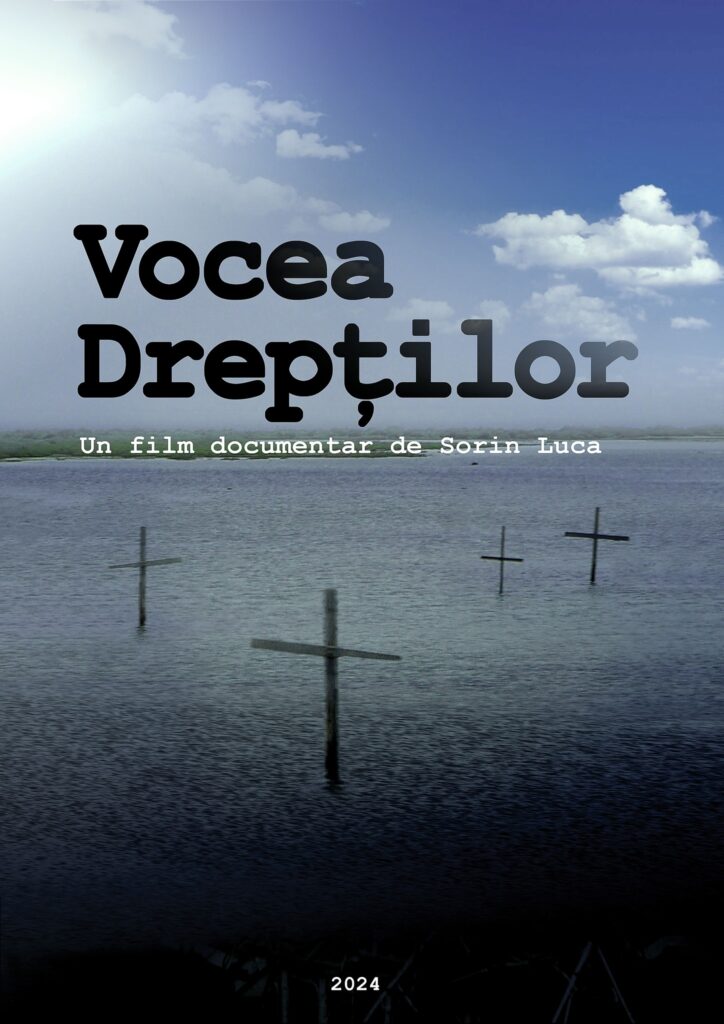
The author of the documentary film “The Voice of the Righteous”: Sorin Luca
By the same author: Dream Images and No Exit Order
Thank you, Olivia! Your support was and is priceless!
Thank you, Marcu, for your suggestion of making this film.
[1] Source wikipedia: https://en.wikipedia.org/wiki/Revolutions_of_1989
[2] Petre Rău – MOGOŞOAIA istoria unei tragedii, Editura InfoRapArt 1999, 2009, 2014 (pag. 298-300)
2024 Sorin Luca